

New Delhi [India], November 3: In late July 2024, Wayanad district in Kerala was hit by a devastating series of landslides triggered by intense monsoon rains. Meppadi Panchayat and nearby areas like Punjirimattom, Mundakkai, Chooralmala, and Vellarimala bore the brunt of the disaster. In just a couple of days, over 500 mm of rainfall saturated the fragile slopes, leading to massive soil movement and debris flows that swept through homes and farmland. Hundreds of lives were lost, many more were injured or displaced, and entire communities were left stranded.
Over 250 human lives were lost, with nearly 10,000 people affected. Experts linked the landslides to a combination of climate change-induced rainfall extremes, weakened geological formations, and long-standing human interventions like deforestation and construction on unstable terrain. Despite early warning signs from ecologists and local institutions, the official systems failed to anticipate the scale of destruction. As the earth gave way, families lost not just their homes but their sense of safety and belonging.
In the aftermath, tribal communities – especially those belonging to the Paniya tribe – were left in makeshift shelters made of plastic sheets and scrap materials. In these temporary dwellings, there was little protection from the rain, wild animals, or disease. Many had already lost homes once, where construction was left incomplete due to corruption or contractor negligence.
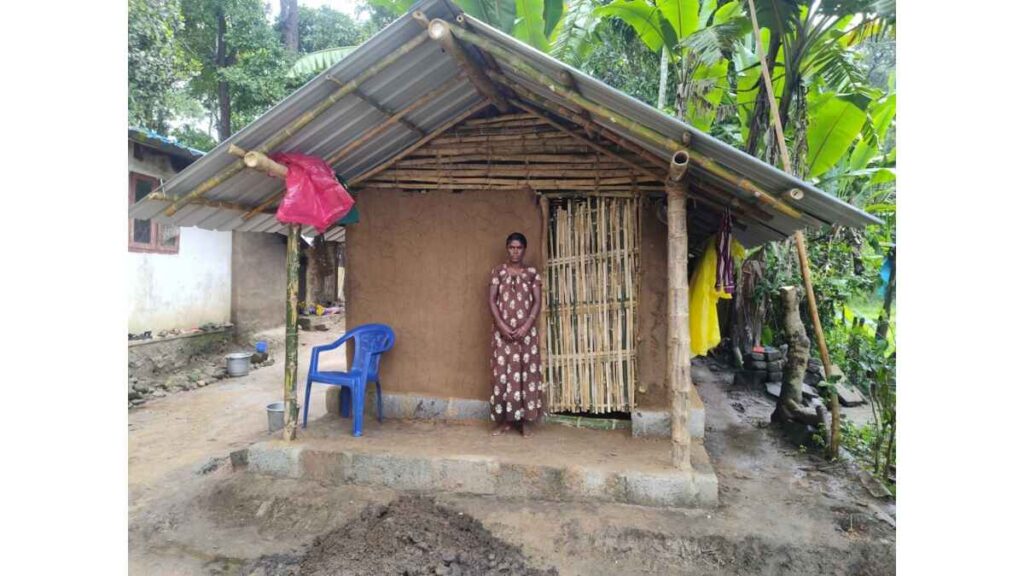
In Noolpuzha Panchayat, seven families from the Njandankolli hamlet had demolished their houses with the expectation of receiving newly allotted houses. When that process collapsed midway, they were left exposed under a tarpaulin with the monsoon looming. For families like theirs, help came when Sustainable Environment and Ecological Development Society (SEEDS), in partnership with United Way Mumbai, stepped in with a long-term shelter initiative grounded in dignity, resilience, and sustainability.
The team began by conducting a detailed household survey across seven panchayats to identify the most vulnerable families. The goal was not just to provide shelter but to restore a sense of home. The process was deeply collaborative, involving multiple rounds of community consultation to understand what people truly needed. One key insight that emerged was the necessity of attached toilets – not just for privacy but for protection against wild animal encounters, a daily risk for many tribal women and children.
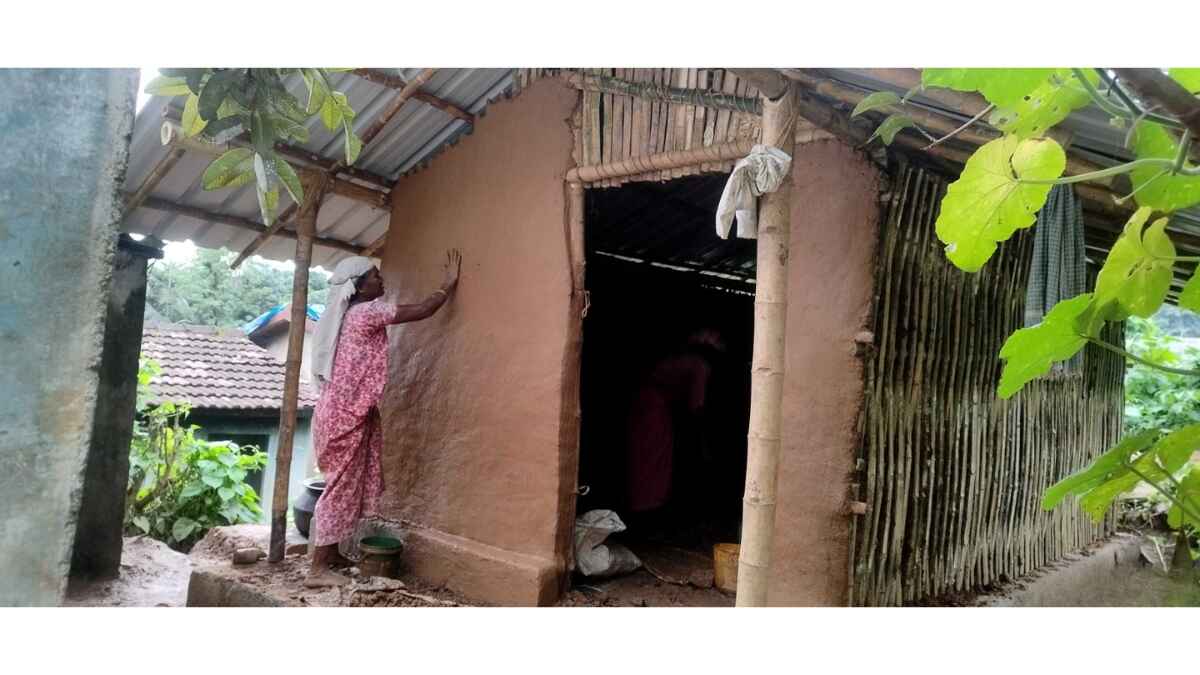
Two prototypes were built and tested with local input before finalising the design. Bamboo, a material both locally available and deeply familiar to the community, was chosen for the structure. The shelters used a bamboo frame with traditional wattle and daub walls, creating a breathable, sturdy, and flexible space that respected cultural practices and local climate.
But this was never just a construction project. “In rebuilding communities, our focus must go beyond immediate relief. Creating a sustainable built environment that embraces local knowledge and resources is essential for the dignity and safety of the most vulnerable in the face of climate extremes,” said Dr Manu Gupta, co-founder, SEEDS.
SEEDS saw it as an opportunity to transfer skills and build capacity within the community. Local workers were trained and involved in the construction process from the ground up. They learned techniques that could be used in the future – either to expand their homes or to help neighbors do the same. With materials for all 100 shelters now procured and construction progressing steadily, the project is not only providing physical safety but also seeding long-term resilience.
Speaking about the initiative, George Aikara, Chief Executive Officer, United Way Mumbai, stated, “In the aftermath of the Wayanad landslides, our priority was to provide families with safe, dignified spaces to live and rebuild. While 100 family shelters were built, they offered security and support to many more while maintaining a minimal environmental impact.
Through the technical expertise of our field partner, SEEDS, and support from local panchayats, these shelters were co-created to respect both the environment and the way of life of tribal communities, using locally available materials like bamboo, casuarina, and areca nut.
The initiative has also strengthened local skills, enabling communities to replicate construction techniques and fostering a spirit of ownership.”
For the families who had lived months exposed to rain and risk, these shelters represent more than walls and a roof. They are a return to stability, dignity, and self-worth. In a time when climate disasters are becoming more frequent and more intense, the work in Wayanad offers a model for how post-disaster recovery can go beyond relief – towards real rebuilding that is inclusive, thoughtful, and rooted in the realities of the people it serves.