

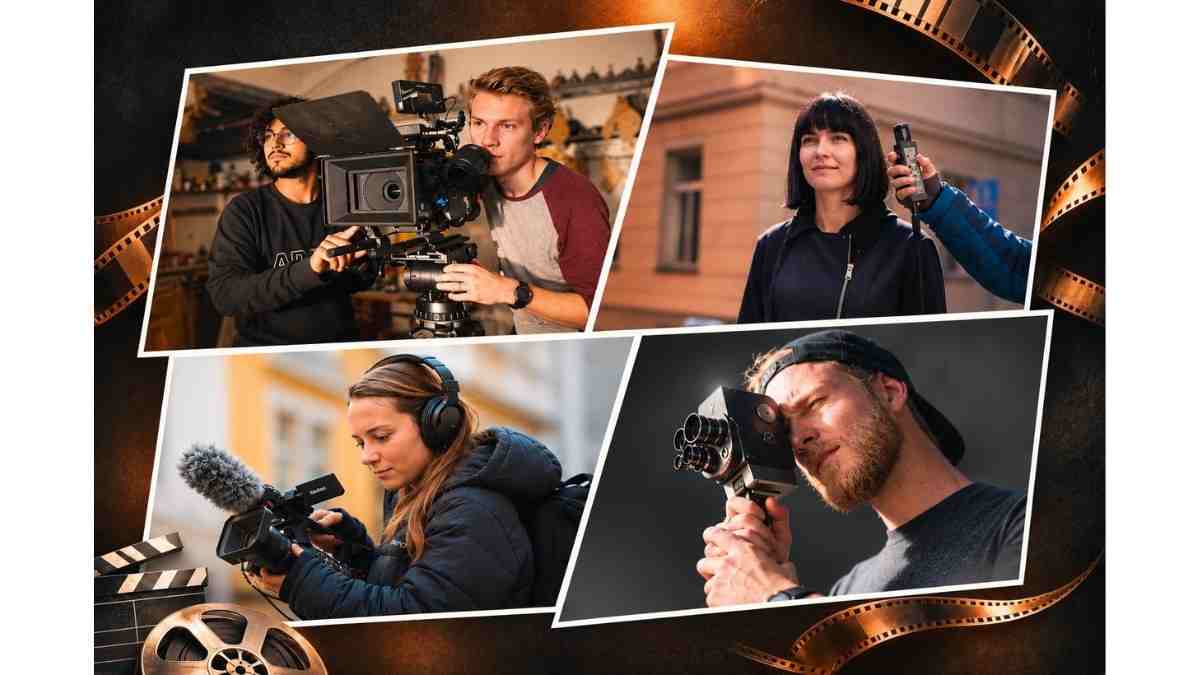
Prague has long been admired for its cobbled streets, historic architecture and striking European skyline. But beyond its appeal as a tourist destination, the Czech capital has steadily established itself as an important location for international filmmaking. Its transformation reflects a combination of cinematic heritage, skilled local professionals, versatile locations and production infrastructure capable of supporting projects from different parts of the world.
For filmmakers, Prague offers something particularly valuable: the ability to recreate different periods, places and atmospheres without necessarily travelling across multiple countries. A single production can draw on medieval streets, Baroque buildings, historic squares and modern urban settings, giving directors considerable creative flexibility.
A Cinematic Legacy That Continues to Evolve
The city’s relationship with filmmaking goes back decades. Czech cinema developed a strong reputation for its artistic ambition, particularly during the Czech New Wave of the 1960s, when filmmakers explored unconventional storytelling, social themes and experimental techniques.
This legacy has helped create an environment where filmmaking is not simply an occasional international activity but an established part of the country’s cultural and professional landscape. <Cite refs={[“turn186757search4”]}/>
One of the most significant contributors to this development is Barrandov Studio. Established in the 1930s, it has become a major production centre, offering soundstages, set construction, costume and prop departments, post-production facilities and equipment services. Its long history of hosting Czech and international productions demonstrates how the city has developed capabilities beyond its architectural appeal.
Why International Productions Choose Prague
Location flexibility remains one of Prague’s strongest advantages. Productions requiring historical European settings can use its preserved architecture, while nearby towns, countryside and industrial locations provide alternatives for stories set in different environments.
This versatility can reduce the need for expensive location changes. Combined with established studios and experienced local crews, it allows international producers to coordinate several aspects of production within a relatively accessible geographical area.
The Czech Republic also offers production incentives. Under the framework introduced in 2025, eligible traditional film and television productions can receive a 25% rebate on qualifying expenditure, while eligible animation and digital productions can receive 35%, subject to programme requirements. These incentives strengthen the country’s competitiveness when producers compare potential filming destinations.
Beyond financial considerations, international productions benefit from access to professionals across cinematography, production design, costume, lighting, sound and post-production. Local expertise can help visiting teams navigate unfamiliar locations, coordinate logistics and adapt creative plans to practical requirements.
From Filming Location to Production Ecosystem
Prague’s evolution is about more than attracting individual films. International productions create work for local technicians, performers, transport providers, accommodation businesses, catering companies and specialist suppliers. The economic benefits therefore extend beyond the immediate production budget.
The Czech Film Commission also helps international filmmakers connect with local partners, understand filming regulations, identify locations and coordinate with relevant authorities. Such support is important because filming in historic city districts often requires permits, careful scheduling and coordination with residents and public services.
At the same time, Prague’s international profile creates opportunities for local filmmakers to work alongside global production teams, gain experience and develop professional networks. The relationship can benefit both visiting productions and the domestic film industry.
Prague Film School’s Role in Developing International Filmmaking Talent
Alongside its production infrastructure, Prague has also developed an educational environment that introduces aspiring filmmakers to the practical demands of the industry. Prague Film School, established in 2004, has become part of this ecosystem through its intensive, English-language programmes in filmmaking, documentary production and acting for film.
Welcoming students from more than 30 countries annually, the school places practical filmmaking at the centre of its educational approach. Students in its filmmaking programme write, direct, shoot and edit four short films of their own within the first three months, while also working on their classmates’ productions. This provides opportunities to develop technical skills, creative judgement and an understanding of the collaboration required on professional film sets.
The school’s location in central Prague further connects this training with the city’s established production environment. Students have access to professional filmmaking equipment, including ARRI, RED and Blackmagic camera systems, while the school’s production office assists with locations, actors and other production requirements. Through relationships with local production-service providers, including Barrandov Studios’ costume department, students can draw on resources beyond the classroom.
Prague Film School’s contribution is also reflected in the international careers of its alumni. Graduates have worked across independent cinema, international film festivals and streaming productions, demonstrating how filmmaking education in Prague can connect with creative careers beyond the Czech Republic.
Sustaining Its Place on the Global Film Map
Competition among international filming destinations remains strong. Attractive locations and financial incentives alone cannot guarantee long-term success. Reliable production schedules, predictable regulations, access to skilled workers and continued investment in infrastructure are equally important.
Prague’s challenge is to preserve the qualities that make it distinctive while adapting to the changing demands of modern filmmaking, including streaming productions, complex visual effects and increasingly international collaborations.
Ultimately, Prague’s rise as a filmmaking city rests on the combination of its past and its production capabilities. Its historic streets may draw filmmakers initially, but established studios, experienced crews and an organised support ecosystem give them reasons to return. As global productions continue to seek locations that combine creative possibilities with practical efficiency, Prague is well positioned to remain an important part of the international film industry.